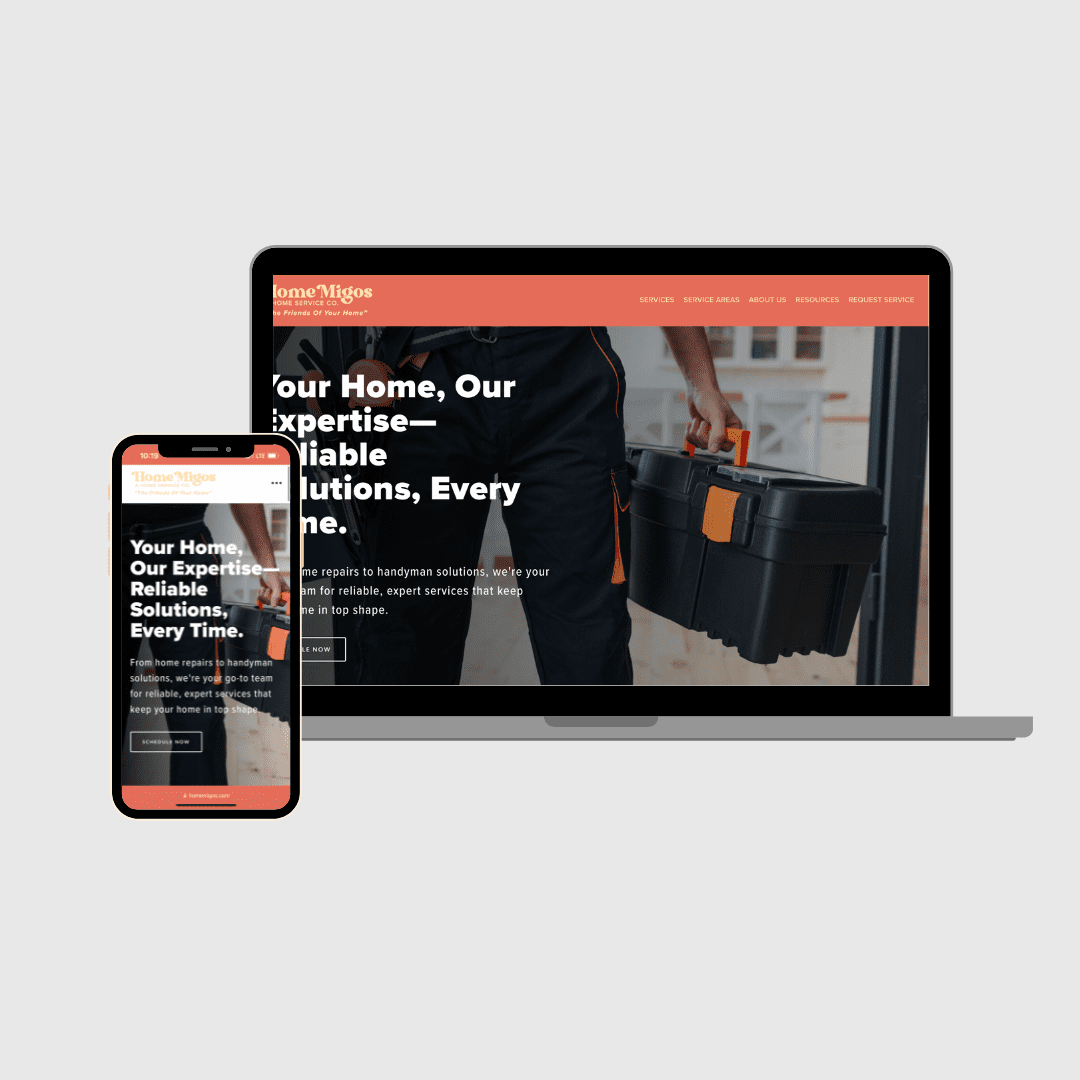
Frequently Asked Questions
How to design a website with WordPress?
Designing a website with WordPress involves choosing a suitable theme, customizing it to reflect your brand, adding essential plugins for functionality, and creating engaging content. This process enables you to build an optimized and visually appealing online presence.
How to design a website page?
Designing a website page involves planning its layout, selecting a color scheme, and ensuring intuitive navigation. Focus on user experience and optimize for performance to effectively engage visitors and achieve your business goals.
How can you design a website?
Designing a website involves a strategic process that includes defining objectives, creating a user-friendly layout, selecting appropriate visuals, and ensuring optimal functionality for an enhanced online presence. Collaborating with experts can streamline this process effectively.
How can we design a website?
Designing a website involves a strategic approach that includes defining your goals, understanding your target audience, creating a user-friendly layout, and ensuring responsive design. Collaborating with professionals can enhance functionality and aesthetics for optimal performance.
How do we design a website?
The process of designing a website involves understanding client needs, creating a strategic layout, and focusing on user experience. We combine aesthetic elements with high-performance development to ensure the site drives business growth effectively.
How do you design a website?
Designing a website involves a structured process that includes understanding client goals, creating a user-friendly layout, ensuring responsive design, and incorporating high-performance development practices to enhance functionality and aesthetics.
How to design a website from scratch?
Designing a website from scratch involves several key steps: defining your goals, planning the structure and layout, choosing the right tools and technologies, creating engaging content, and ensuring responsive design for optimal user experience.
What are the best practices for website design?
The best practices for website design include creating a user-friendly interface, ensuring mobile responsiveness, optimizing load times, utilizing clear navigation, and incorporating effective calls-to-action to enhance user engagement and drive conversions.
How to choose a theme for WordPress?
Choosing a theme for WordPress involves considering your site's purpose, desired aesthetics, and functionality. Look for responsive designs, customization options, and compatibility with plugins to ensure your website effectively represents your brand and meets your business needs.
What tools help in website design?
The tools that help in website design include graphic design software like Adobe XD and Figma, content management systems such as WordPress, and coding platforms like HTML, CSS, and JavaScript. These tools enable the creation of visually appealing and functional websites.
How to optimize a website for speed?
Optimizing a website for speed involves several key strategies. Focus on compressing images, minimizing HTTP requests, leveraging browser caching, and utilizing content delivery networks (CDNs) to enhance loading times and overall performance.
What are common website design mistakes?
Common website design mistakes include cluttered layouts, poor navigation, lack of mobile optimization, slow loading times, and neglecting user experience. These issues can hinder engagement and negatively impact a business's online presence.
How to create a responsive website design?
Creating a responsive website design involves using flexible layouts, images, and CSS media queries to ensure optimal viewing across various devices. This approach enhances user experience and accessibility, adapting seamlessly to different screen sizes.
What elements are essential for a website?
The essential elements for a website include a user-friendly design, responsive layout, optimized content, clear navigation, and strong calls-to-action. These components work together to enhance user experience and drive business growth effectively.
How to improve website user experience?
Improving website user experience involves optimizing site navigation, ensuring fast loading times, and creating responsive designs. Additionally, incorporating clear calls-to-action and user-friendly content enhances engagement and satisfaction, ultimately driving business growth.
What is the role of color in design?
The role of color in design is to evoke emotions, convey messages, and enhance user experience. It helps establish brand identity, guides viewer attention, and influences decision-making, making it a crucial element in effective website design.
How to integrate social media into a website?
Integrating social media into a website involves adding social media buttons, embedding feeds, and utilizing shareable content. This enhances user engagement and drives traffic by allowing visitors to connect and share directly from your site.
What are the benefits of a custom website?
The benefits of a custom website include tailored design and functionality that meet specific business needs, enhanced user experience, improved search engine optimization, and greater scalability to support future growth, ultimately driving better engagement and conversions.
How to design a website for mobile users?
Designing a website for mobile users involves creating a responsive layout that adapts to various screen sizes, ensuring fast loading times, and simplifying navigation for an optimal user experience. Prioritize mobile-friendly elements to enhance accessibility and engagement.
What is the importance of website accessibility?
The importance of website accessibility lies in ensuring that all users, including those with disabilities, can effectively navigate and interact with your site. This inclusivity enhances user experience, broadens your audience, and complies with legal standards.
How to use images effectively in design?
Using images effectively in design involves selecting visuals that enhance the message, support branding, and engage the audience. Ensure images are high-quality, relevant, and optimized for fast loading to improve user experience and overall website performance.
What are the latest trends in website design?
The latest trends in website design include minimalistic layouts, bold typography, vibrant colors, and responsive design that enhances user experience across devices. Additionally, integrating AI and personalized content is becoming increasingly popular to engage visitors effectively.
How to ensure website security during design?
Ensuring website security during design involves implementing best practices such as using secure coding techniques, regularly updating software, employing HTTPS protocols, and conducting thorough testing for vulnerabilities. These measures help protect sensitive data and maintain user trust.
What is the process of website redesign?
The process of website redesign involves several key steps: assessing the current site, defining goals, creating a new design and layout, developing the site with optimized functionality, and finally, testing and launching the updated website to enhance user experience and performance.
How to gather feedback on website design?
Gathering feedback on website design involves soliciting input from users, stakeholders, and team members through surveys, usability testing, and direct interviews to identify strengths and areas for improvement, ensuring the design meets user needs effectively.
What are the key features of a landing page?
The key features of a landing page include a clear and compelling headline, an engaging call-to-action, concise content that addresses user needs, visually appealing design, and optimized forms for lead capture, all aimed at converting visitors into customers.
How to write effective content for websites?
Writing effective content for websites involves creating clear, engaging, and relevant information that resonates with your target audience. Focus on using concise language, optimizing for SEO, and providing value to encourage user interaction and drive conversions.
What is the impact of SEO on design?
The impact of SEO on design is significant as it influences how websites are structured and visually presented. A well-optimized design enhances user experience, improves search engine rankings, and ultimately drives more traffic and conversions.
How to use typography in website design?
Using typography in website design involves selecting fonts that enhance readability and reflect your brand's personality. Focus on hierarchy, contrast, and spacing to create a visually appealing layout that guides users through your content effectively.
What are the advantages of minimalist design?
The advantages of minimalist design include enhanced user experience, improved focus on essential content, faster loading times, and increased accessibility. This approach fosters a clean aesthetic that strengthens brand identity and encourages user engagement.